
01ERC Concepts Co.

Machining capability shaped around your requirements

Every component begins with its own geometry, material, tolerance stack, and production objective. Our role is to turn those requirements into a reliable manufacturing path.

Start a part review Geometry / access / process

ENGINEERING REVIEWStart with the part

Start with the geometry—not a menu

Capability is more than a machine category. Feature access, tolerance relationships, datum strategy, workholding, material condition, and inspection requirements all affect how a part should be made.

01
Capability

CNC milling

Prismatic components, faces, pockets, bores, and intersecting features planned around access and workholding.

Milling strategy is reviewed against geometry, datum relationships, material, and the number of setups a part may require.
02
Capability

CNC turning

Rotational components and turned features considered in relation to concentricity, interfaces, and downstream operations.

Turned work is assessed from the complete drawing so axial and radial features remain connected to functional requirements.

03
Capability

Complex components

Manufacturing planning for parts where feature relationships and setup choices drive the result.

Complexity often lives between features. Early review helps expose access, workholding, tool reach, and verification considerations.

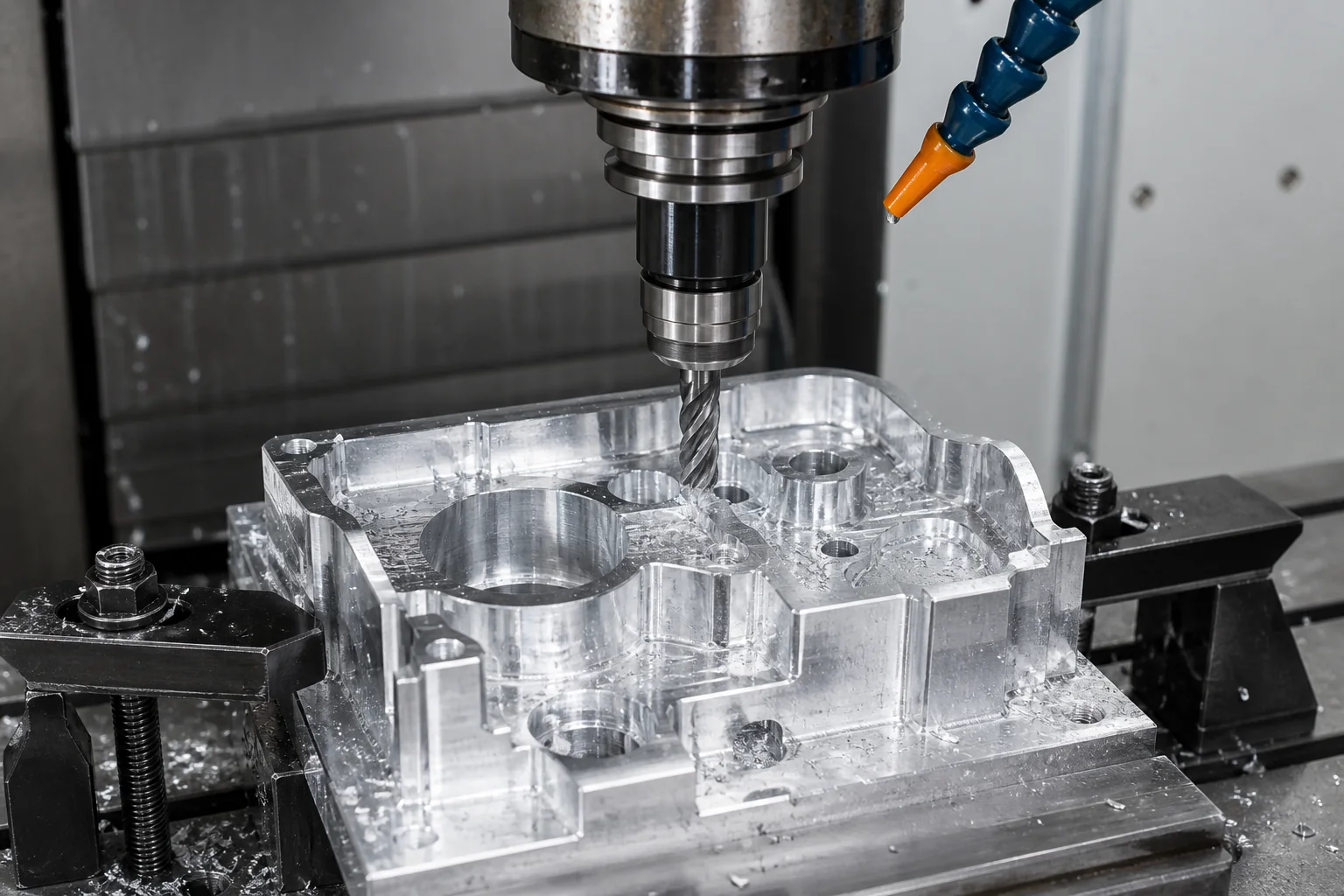
Representative photograph of a CNC machining process
Process / in contextRepresentative image · final ERC process photography pending
04
Capability

Prototype machining

Physical parts for design validation, assembly learning, and engineering iteration.

Prototype work should create useful feedback. Revision clarity and a direct technical conversation help teams learn from each build.

05
Capability

Production machining

A process-minded approach to repeat requirements and consistent component delivery.

Repeat work benefits from stable inputs, controlled revisions, documented decisions, and planning aligned to expected demand.

06
Capability

Manufacturing support

Coordination around material, secondary operations, finishing, and part-completion requirements.

When a component requires work beyond primary machining, define the complete delivered condition so sequencing and risk can be reviewed.

USEFUL INPUTSMake the review useful

What helps us understand a part.

Clear project context helps manufacturing questions surface early.

  1. 01Current 3D model and drawing
  2. 02Critical features and interfaces
  3. 03Material and finish requirements
  4. 04Quantity and schedule context
  5. 05Revision and acceptance requirements
  6. 06Expected follow-on demand

NEXT STEPMove the part forward

Turn the drawing into a useful manufacturing conversation.

Share the geometry, critical interfaces, material, quantities, and the outcome the component needs to support.

Prepare your request Or call (408) 734-5345